⚠️ Big Island Safety Notice
The Big Island’s environment can change rapidly — ocean conditions, lava flows, weather, and trails may become dangerous without warning. This guide is for educational purposes only and does not replace real-time assessments, posted warnings, or professional guidance. Always check current conditions before entering the water, hiking, or exploring, and do not proceed if conditions appear unsafe — even if a location is described as “safer.”
The Big Island of Hawaiʻi is one of the most spectacular destinations on Earth. From volcanoes and lava fields to lush rainforests and pristine beaches, it has something for everyone. But for first-time visitors, the island can also be confusing, challenging, and occasionally frustrating — especially if you approach it like any other tourist destination.
This guide covers the most common Big Island travel mistakes first-time visitors make, explains why they happen, and gives practical tips for avoiding them. Learning from these insights will help you save time, stay safe, and enjoy your trip to the fullest.
1. Underestimating Travel Times
The Mistake
Many visitors assume the Big Island is “small” and easy to drive across quickly. In reality:
- The island is 4,000+ square miles
- Roads wind around mountains, valleys, and lava fields
- Traffic, especially near Hilo or Kona, can be slow
A drive from Hilo to Kona can take 2.5–3 hours, even though it looks short on a map. Trying to see the island in one day can be challenging.
How to Avoid It
- Plan at least double the Google-estimated drive time
- Use scenic stops as intentional breaks
- Consider splitting the island into regional exploration zones: Kona & South, Hilo & East, North & Kohala
2. Not Accounting for Volcanic Hazards
The Mistake
Some visitors expect to see lava flowing on the surface, or assume eruptions are obvious. Others ignore vog (volcanic smog) warnings, leading to respiratory discomfort.
How to Avoid It
- Check HVO alerts before traveling: https://www.usgs.gov/observatories/hvo
- Know that lava viewing is rare and controlled (Internal link: Why Lava Viewing Is Rare — and Why That’s Actually a Good Thing)
- Bring masks or avoid heavy exertion if vog levels are high (Internal link: Volcanic Gas (VOG): When It’s Dangerous and When It’s Just an Inconvenience)
3. Overpacking Activities
The Mistake
Visitors often try to “do it all,” squeezing volcanoes, waterfalls, beaches, and hikes into a short trip.
Why This Fails
- Travel distances are long
- Weather changes quickly (sun, rain, clouds, vog)
- Many areas require permits or timed entries
How to Avoid It
- Prioritize 1–2 regions per day
- Plan for downtime — the island’s beauty often comes when you slow down
- Reserve tours or hikes in advance (especially Volcanoes National Park, waterfalls, and helicopter tours)
4. Ignoring Local Road Conditions
The Mistake
Thinking every road is paved, fast, and well-marked can lead to frustration.
Common Issues
- Gravel roads in Kohala or South Kona
- One-lane bridges in remote areas
- Sudden closures due to lava or landslides
How to Avoid It
- Rent a reliable car (avoid low-clearance vehicles for lava or mountain roads)
- Check road conditions via Hawaiʻi DOT or local news
- Carry a physical map — some areas have limited cell service
5. Not Respecting Protected or Cultural Sites
The Mistake
First-time visitors often wander off trails, collect rocks or coral, or enter restricted areas, not realizing these are protected by law.
How to Avoid It
- Respect signs and closures (Internal link: Volcano National Park Closures Explained)
- Do not remove rocks, sand, or fossils (Internal link: Fossil Hunting on the Big Island)
- Learn About local customs and sacred sites before visiting
6. Misjudging Weather Patterns
The Mistake
Assuming the Big Island has uniform tropical weather. In reality:
- Hilo and eastern slopes: wet, rainy
- Kona and western slopes: dry, sunny
- High elevations: cold, windy, foggy
How to Avoid It
- Check daily forecasts for your specific region
- Bring layers for higher altitudes (Mauna Kea, Volcanoes National Park)
- Plan indoor alternatives for sudden rain
7. Underestimating Physical Demands
The Mistake
Some visitors assume hikes, lava viewing walks, or volcano trails are easy. Even short hikes can be steep, hot, or unstable.
How to Avoid It
- Wear sturdy shoes (lava fields are rough, volcanic ash is slippery)
- Carry water, sunscreen, and snacks
- Know your limits; trails like Kīlauea Iki or Thurston Lava Tube can be deceptively long
8. Booking Tours Without Research
The Mistake
Booking the first “lava tour” or helicopter ride you see can lead to:
- Overpriced packages
- Inexperienced Guides
- Tours that don’t match your timing or goals
How to Avoid It
- Read reviews and verify safety credentials
- Check cancellation policies (lava flows can change daily)
- Consider smaller, guided tours for a more personal experience
9. Overlooking Safety with Ocean Activities
The Mistake
Many visitors assume all beaches are safe for swimming. Hawaiʻi’s oceans can be unpredictable:
- Strong currents and rip tides
- Sharp lava reefs
- Sudden drop-offs at green sand or black sand beaches
How to Avoid It
- Swim only in designated areas
- Observe local safety signs and lifeguard instructions
- Avoid swimming alone
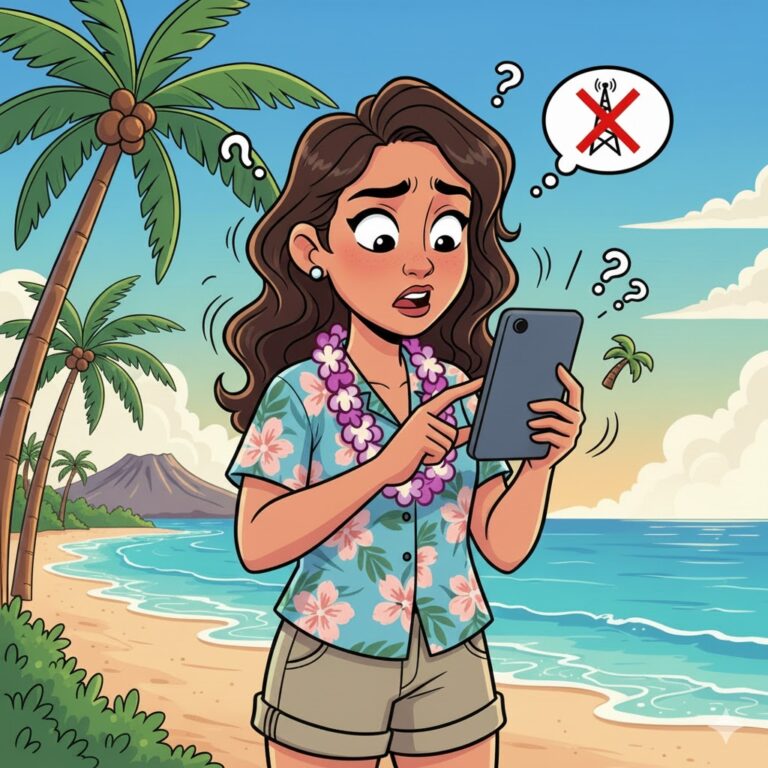
10. Not Planning for Cell & Internet Limitations
The Mistake
Thinking you’ll have full connectivity everywhere can be frustrating.
How to Avoid It
- Download maps offline for remote areas
- Use GPS-enabled apps with offline capabilities
- Keep physical maps as backup
Bonus Tip: Slow Down and Read the Island
The Big Island isn’t about checking off sights, it’s about:
- Observing lava flows from safe vantage points
- Watching clouds form over Mauna Kea
- Exploring small towns and local markets
- Respecting native flora and fauna
Visitors who plan carefully and move at island pace get the most rewarding experience.
Summary of Common Big Island Travel Mistakes
| Mistake | Solution |
|---|---|
| Underestimating travel times | Double estimated times, plan regional zones |
| Ignoring volcanic hazards | Check HVO alerts, respect closures, consider vog levels |
| Overpacking activities | Prioritize regions, schedule downtime |
| Ignoring road conditions | Rent reliable car, check DOT updates, bring map |
| Disrespecting protected sites | Follow signs, don’t collect rocks/fossils |
| Misjudging weather | Check regional forecasts, bring layers |
| Underestimating physical demands | Wear proper shoes, carry water, know limits |
| Booking unresearched tours | Read reviews, verify credentials, check cancellation |
| Overlooking ocean safety | Swim in designated areas, follow signage |
| Expecting full connectivity | Download offline maps, use GPS, keep backups |
⚠️ Quick Safety Reminder
Conditions can change suddenly. Always check local conditions, warnings, and official guidance before entering the ocean, lava areas, or trails. Safety is your responsibility.
Aloha, did you like this page?